

With the right care, furniture and furnishings can retain their appearance and quality for many years. Regular cleaning and maintenance help ensure a long service life.
Ambiente always recommends that you follow the furniture manufacturers’ specific instructions for cleaning and maintenance. In this overview, we’ve compiled references to recommendations for the most commonly used materials and surfaces.
If you have any questions, please feel free to contact us at any time.
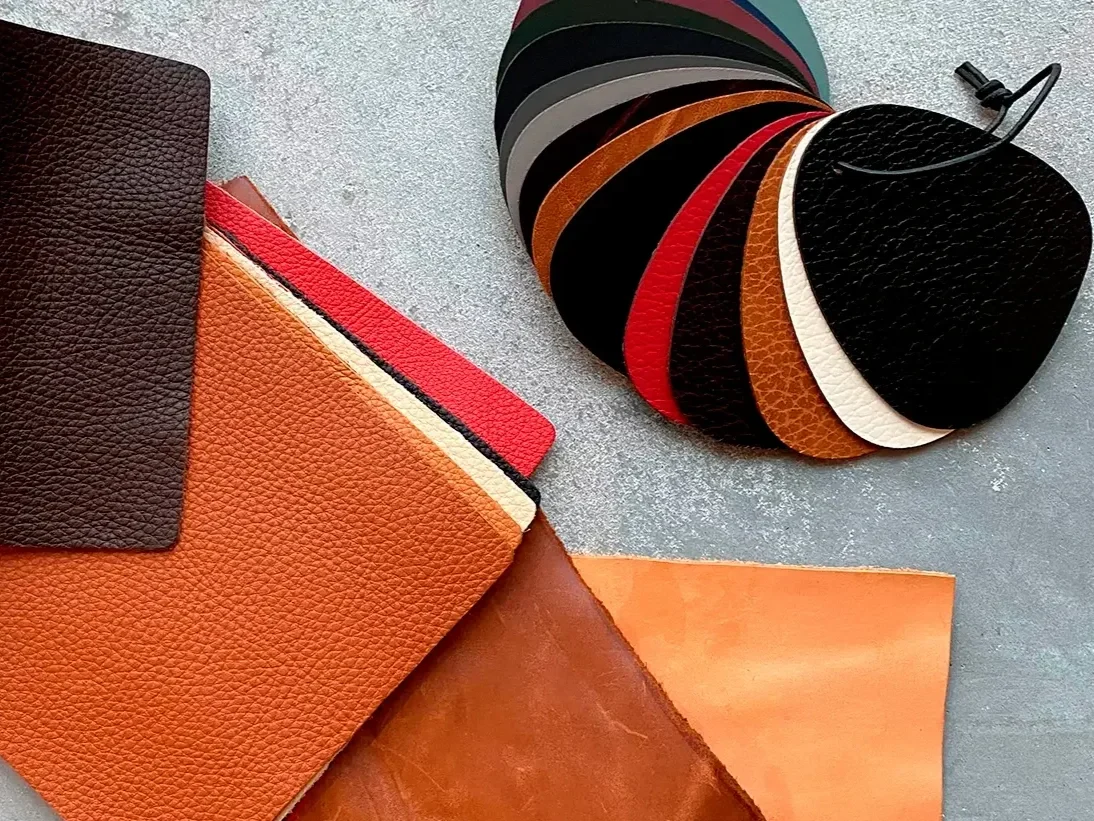
Leather Materials
Clean the surface regularly with a vacuum cleaner equipped with a soft brush. For a more thorough cleaning, dampen a soft cloth with distilled or boiled water mixed with mild, high-quality natural soap flakes. Lather the soap flakes in warm water, using about ½ dl of soap flakes per 1 liter of water. Use only the lather once the water has reached room temperature, and apply it to the entire leather surface without soaking the leather. Wipe the surface thoroughly and polish it with a dry, soft cotton cloth.
Please note that suede should not be treated with a vacuum cleaner, soap flakes, cleaning agents, or leather conditioners.
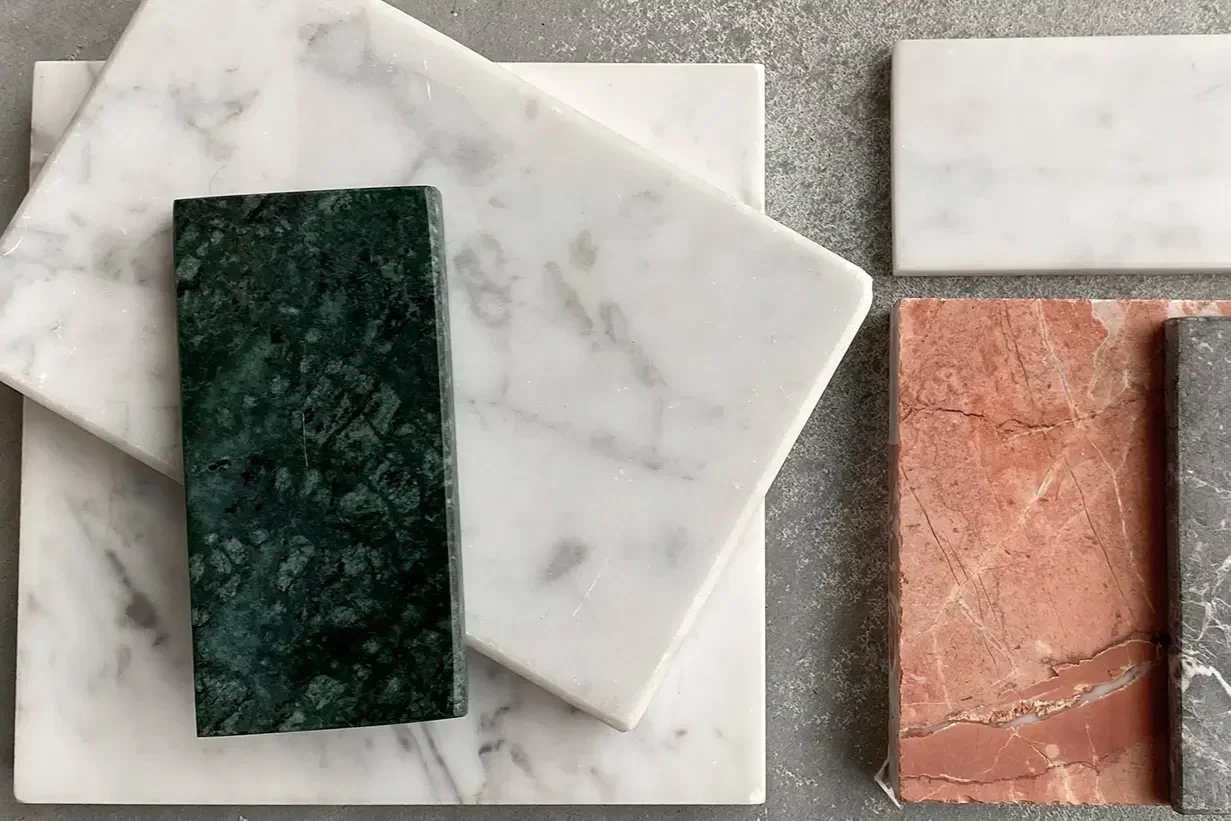
Marble Materials
Wipe the surface with a slightly damp cloth. For more thorough cleaning, use a cloth wrung out in water with soap flakes (2–3 tbsp. per liter). Frequent use may cause the surface to become dull.
Never use harsh or acidic cleaning products such as vinegar and citric acid. Wipe up spills immediately.
Saturate the marble with a suitable care product for absorbent materials to protect it from grease and dirt. Alternatively, you can use kerosene or soap suds. Apply the suds, let them sit for about 5 minutes without allowing them to dry, and wipe them off with a clean, slightly damp cloth.
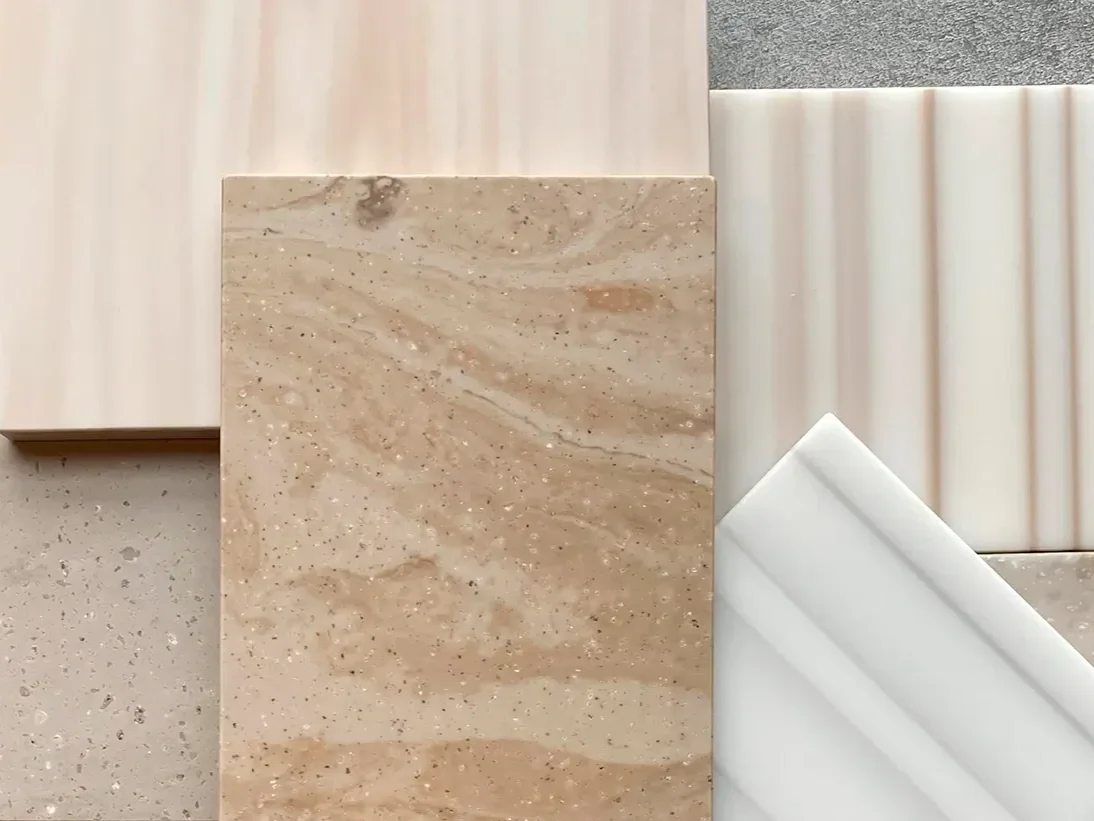
Composite Materials
Wring out a soft cloth in clean water and wipe down the surface. If the surface is very dirty, you can use water mixed with a mild detergent.
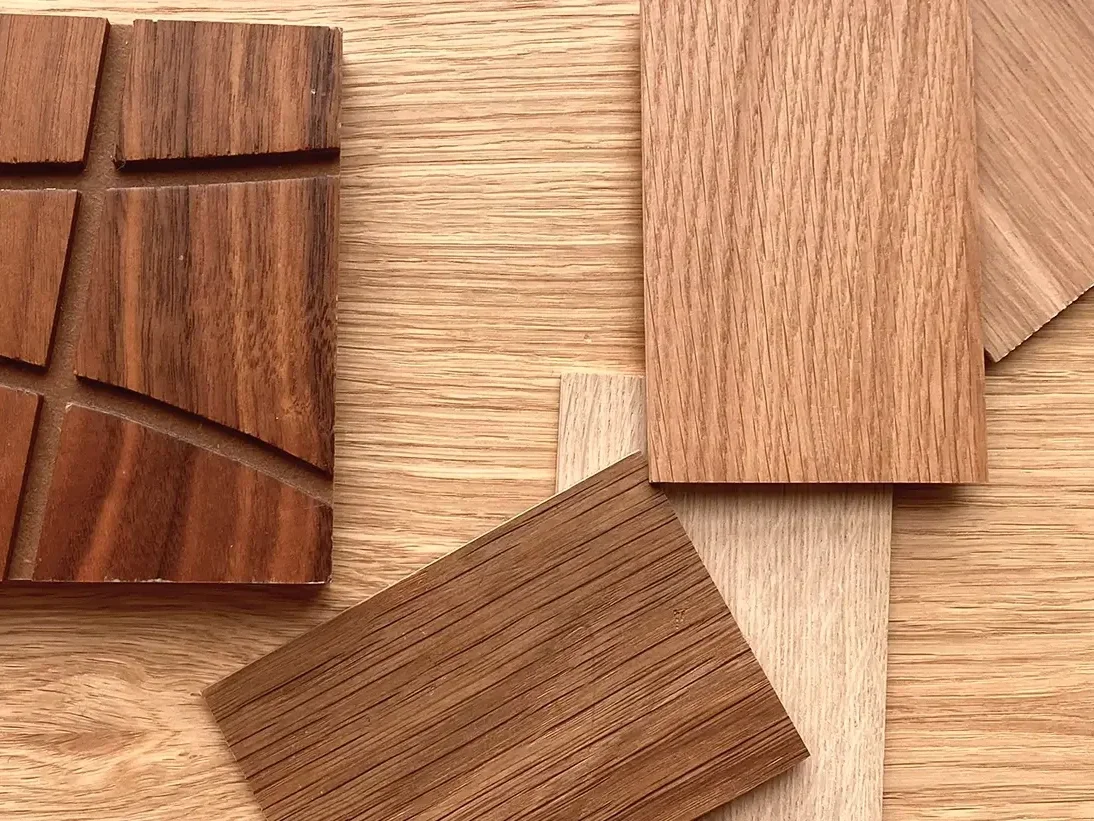
Oil-treated wood
Wipe the surface with a slightly damp cloth and immediately dry it with a dry cloth. For more thorough cleaning, use warm water with a few drops of liquid soap added. Finish by wiping with a clean, dry cloth.
Varnished wood
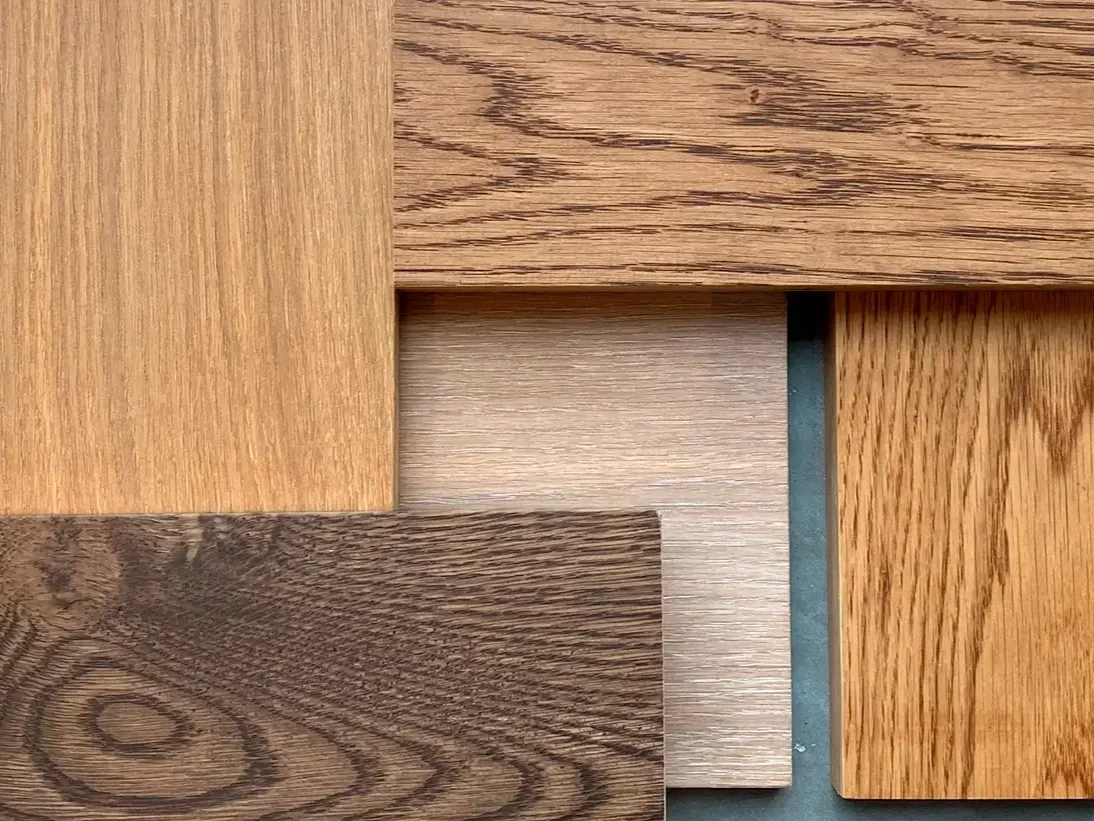
Wipe the surface with a damp cloth, then immediately dry it with a clean, dry cloth. For more thorough cleaning, use a cloth wrung out in water containing sulfonate (1 tsp. per liter). Always finish by wiping with a dry cloth.
Varnished wood must cure for at least 4 weeks. Avoid cleaning, moisture, and hot objects on the surface during this time.
Gently remove stubborn stains. Shoe sole marks and similar stains can be removed with a rubber eraser or stain remover.
White marks caused by heat, moisture, or alcohol can be removed by placing a dish towel over the area and gently ironing it with a warm iron without steam. Alternatively, you can use warm air from a hair dryer.
Linoleum
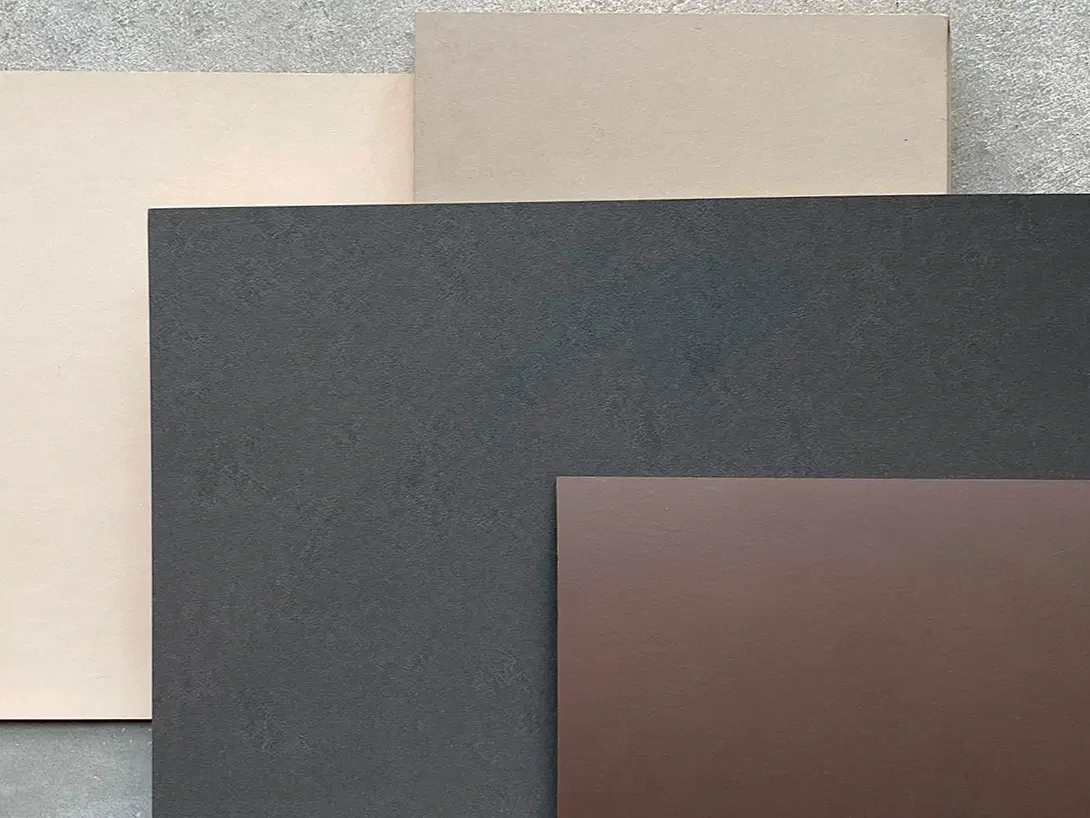
Wring out a cloth in clean water and wipe the surface. Immediately afterward, dry it with a clean, dry cloth.
For tougher stains, use water with soap flakes. The soap flakes form a protective layer that reduces the buildup of new dirt. Avoid using cleaning agents, mild soap, and liquids containing ammonium chloride, as these can damage the surface.
Laminate
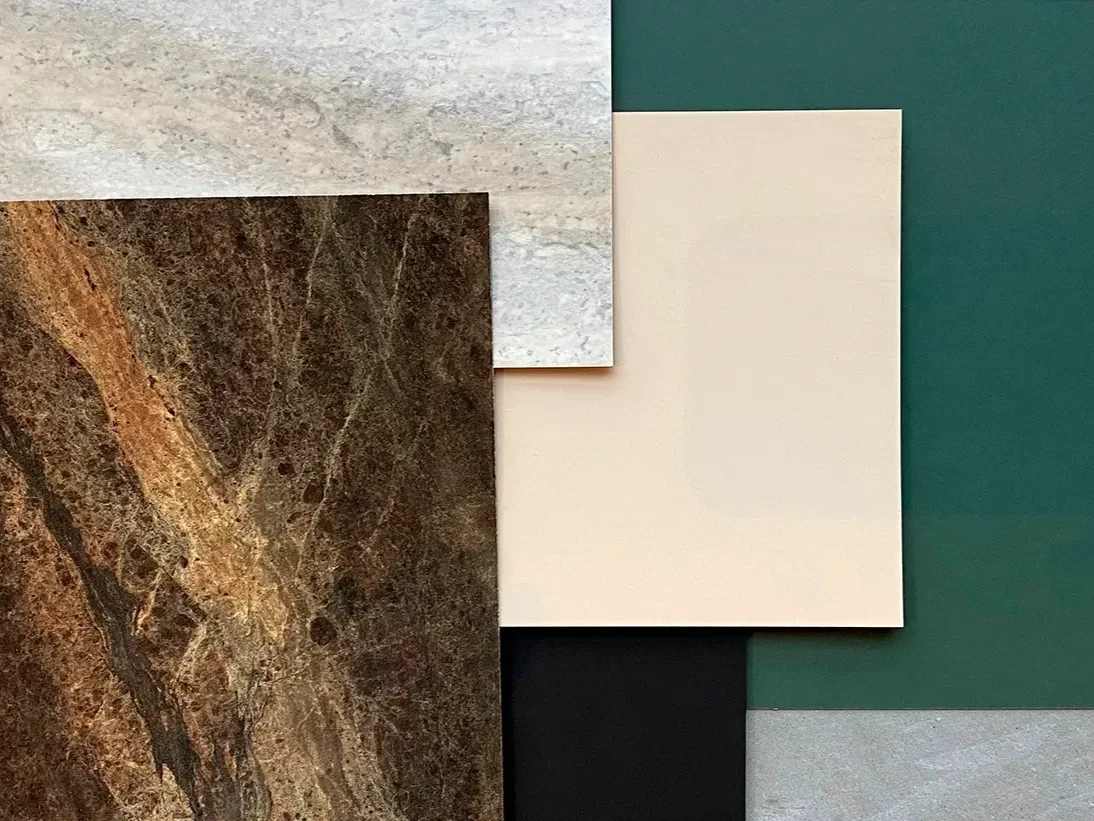
Spray the laminate cleaner directly onto the surface and let it sit for a few minutes. Then wipe it off with a damp cloth and finish by wiping with a clean, dry cloth.
If the surface is very dirty, wash it first in warm water to loosen the dirt before performing the cleaning steps described above.
Vinyl
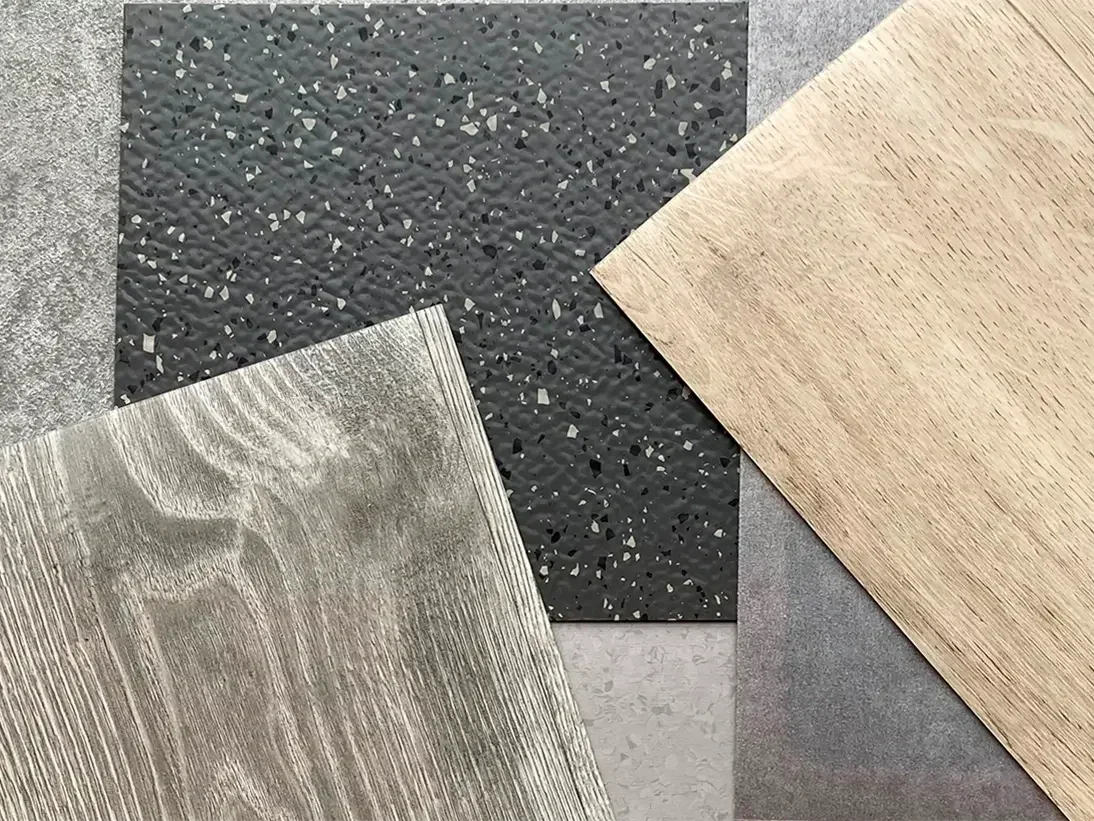
Clean the surface with a vacuum cleaner fitted with a soft nozzle or with a soft brush. If necessary, the surface can be washed in warm water with a mild, natural cleaning agent, such as an all-purpose cleaner, which forms a light protective layer.
Vinyl floors should be cleaned once a week with a wrung-out cloth or mop and a mild cleaning solution. Avoid other cleaning products, as they can reduce slip resistance. Soft soap and soap flakes leave a greasy surface and should not be used.
If the vinyl floor becomes dull, it can be cleaned with a suitable cleaning product, followed by wiping with clean water. Finish by applying a conditioning cleaner containing wax or polymer.
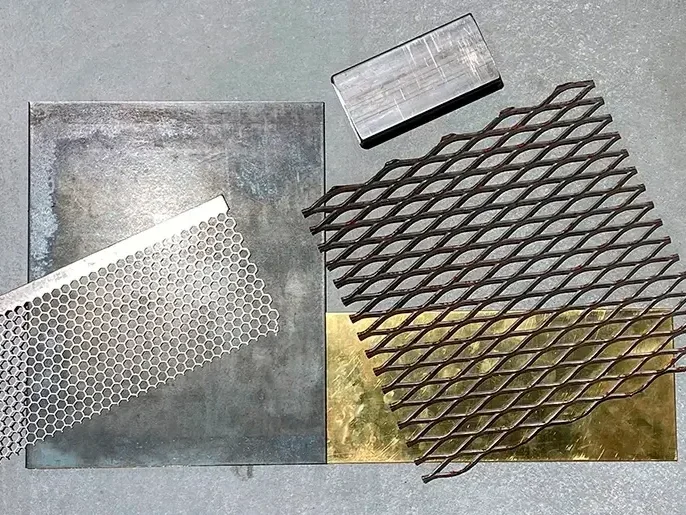
Metal
Wring out a cloth in water mixed with a neutral detergent and wipe down the surface. Remove any soap residue with a slightly damp cloth, and finish by wiping with a dry cloth to remove excess water.
Do not use abrasive cleaning products such as scouring powder or corrosive liquids, as they will damage the surface.